Admissions Open

Applications for the 2027–28 academic year close on 31 July. Campus tours every Saturday.

About us

A school built on a two-hundred-year-old conviction.

We are a young school with an old idea at its heart: that children grow best beside adults who are unmistakably on their side. This page explains where that idea comes from, how it shapes an ordinary school day, and who tends it now.

Our story

It began in a workshop in Turin, and arrived in Thiruvottiyur in 2018.

In 1859, a priest named John Bosco was working among the boys of industrial Turin — apprentices, runaways, children the city had largely given up on. He noticed that punishment taught them only to hide, while attention taught them to change. Out of that observation he shaped what he called the Preventive System: be present, so that trouble is headed off before it starts, rather than punished after the fact.

Our school opened in Thiruvottiyur in 2018, founded by the Salesian Sisters of Don Bosco — the congregation that carries Bosco's work forward for girls and boys across the world. His charism rests on three plain words: reason, religion and loving-kindness. On an ordinary Tuesday that is less a philosophy than a set of habits. It is why our teachers stand in the playground rather than the staff room, why a child who is slipping is noticed in week two rather than at the term exam, and why the corridors here sound warm rather than anxious.

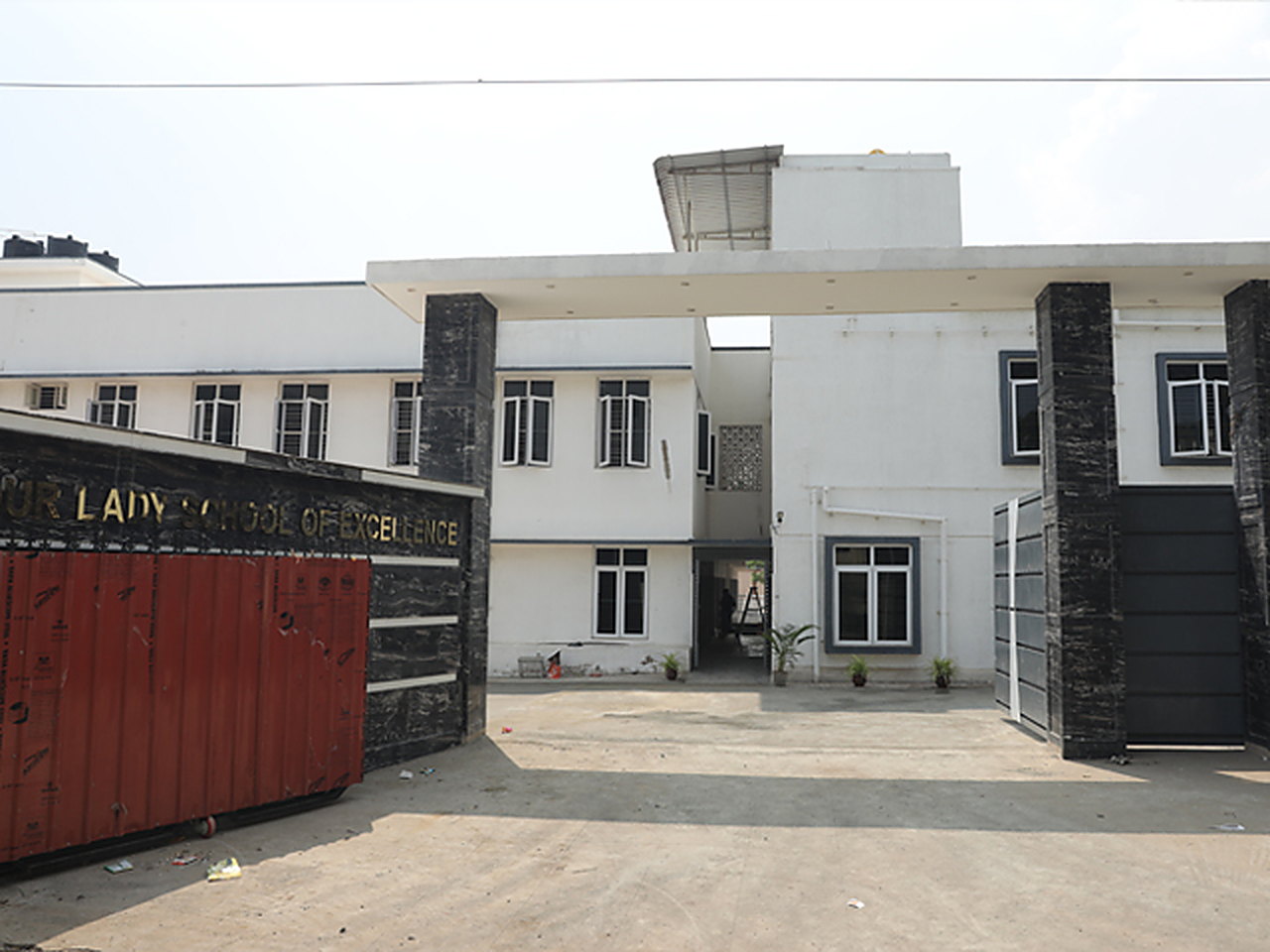
The main entrance of Our Lady School of Excellence, seen from the road
Founding archive The school's opening day in 2018 — Sisters and first pupils at the gate. Portrait, 3:4.

What guides us

Vision and mission.

One describes the child we hope to send out into the world. The other describes the work we do, day after day, to get there.

Our vision
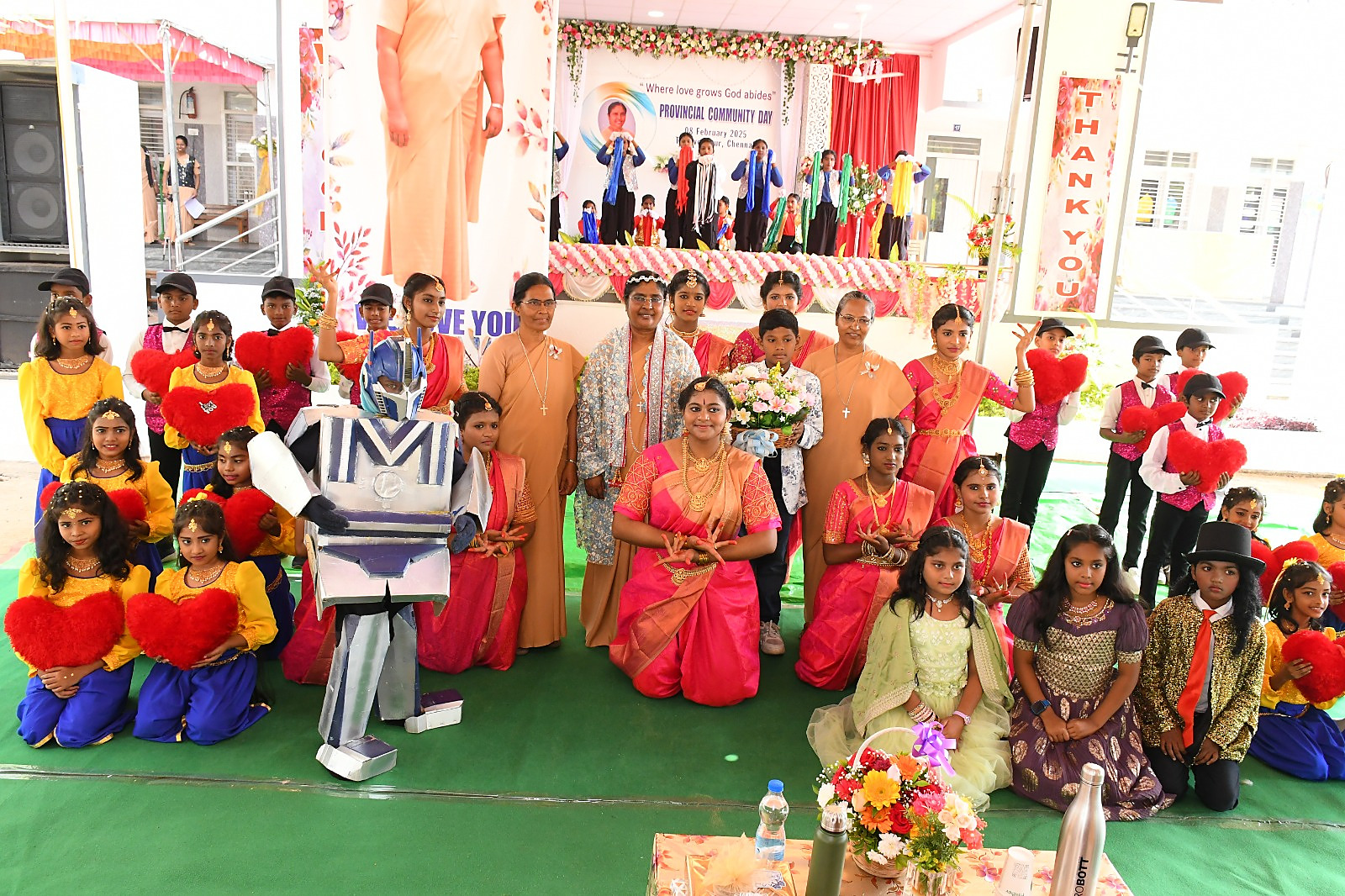
Students in costume with the Salesian Sisters at a school celebration
Our vision Children mid-celebration, faces lit. Landscape, 3:2.

The child we hope to send out

Young people who carry a quiet steadiness into whatever life asks of them next. By the time a child leaves us, we hope they are:

  • Clear thinkers — able to reason a problem through, and to change their mind when the evidence asks them to.
  • Kind by habit — quick to notice the person at the edge of the room, and to do something about it.
  • Sure of their own worth, and alert to the worth of others — neither arrogant nor afraid.
Our mission
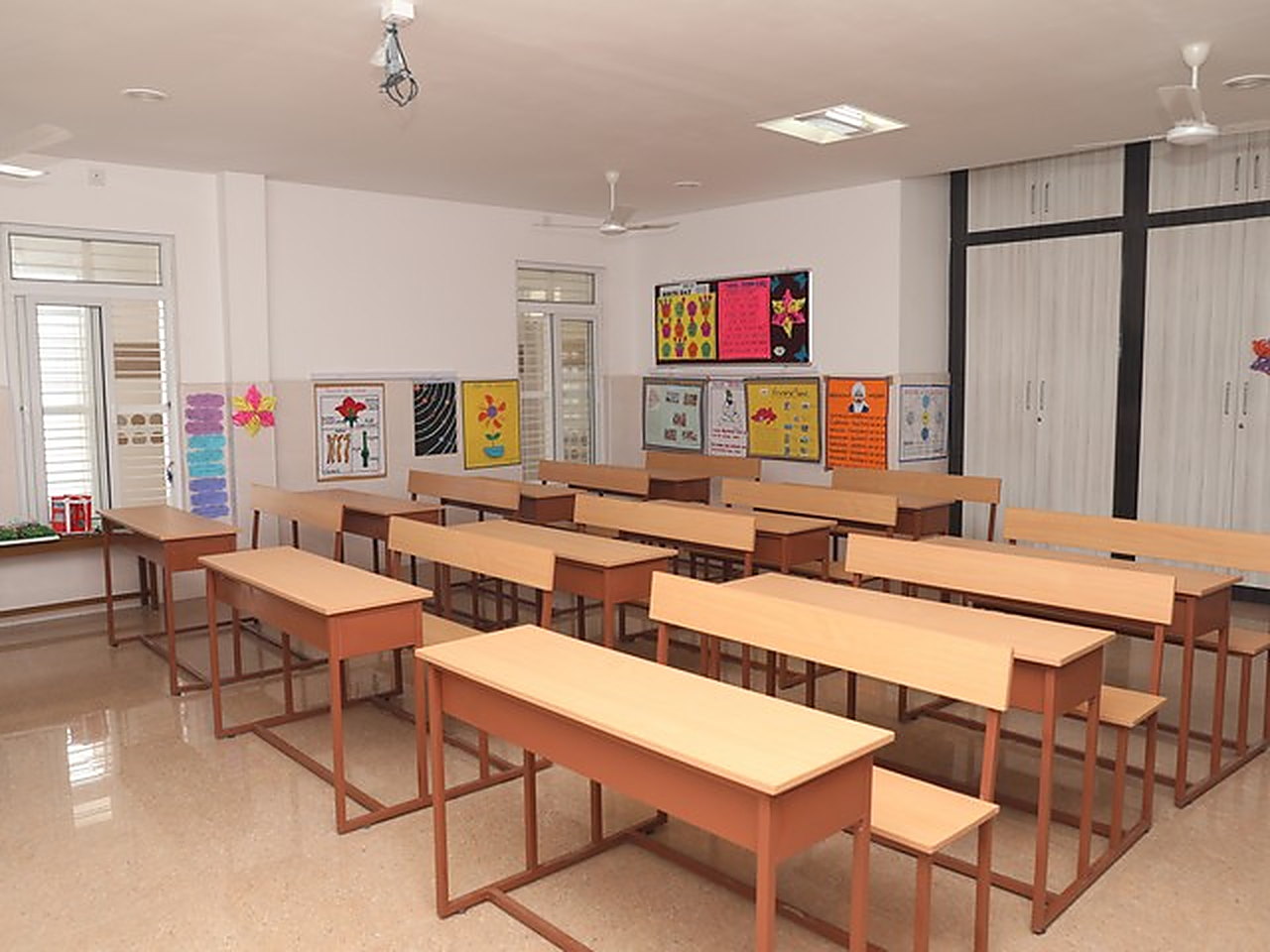
A classroom of wooden desks, with charts on the display boards
Our mission An ordinary classroom, mid-morning. Landscape, 3:2.

The work that gets us there

  • Teach the CBSE curriculum properly and without shortcuts, so that understanding — not memory — is what a child leaves with.
  • Know every student by name, and notice the quiet ones as readily as the loud.
  • Keep the Preventive System alive in practice: presence before punishment, reason before rules.
  • Welcome children of every faith and background, and send each of them out upright, curious and useful to others.
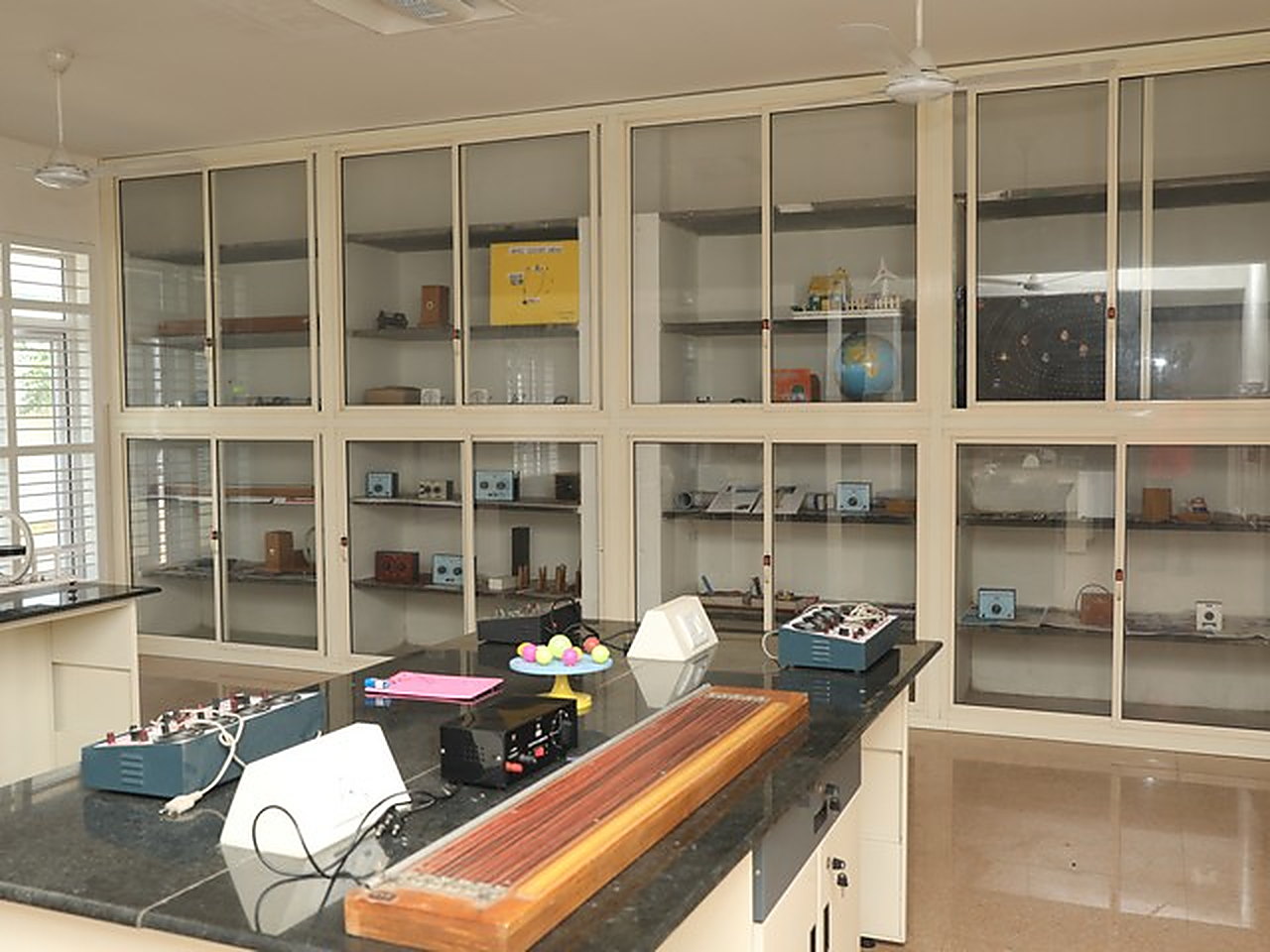
The physics laboratory, apparatus in glass-fronted cupboards
Physics laboratory
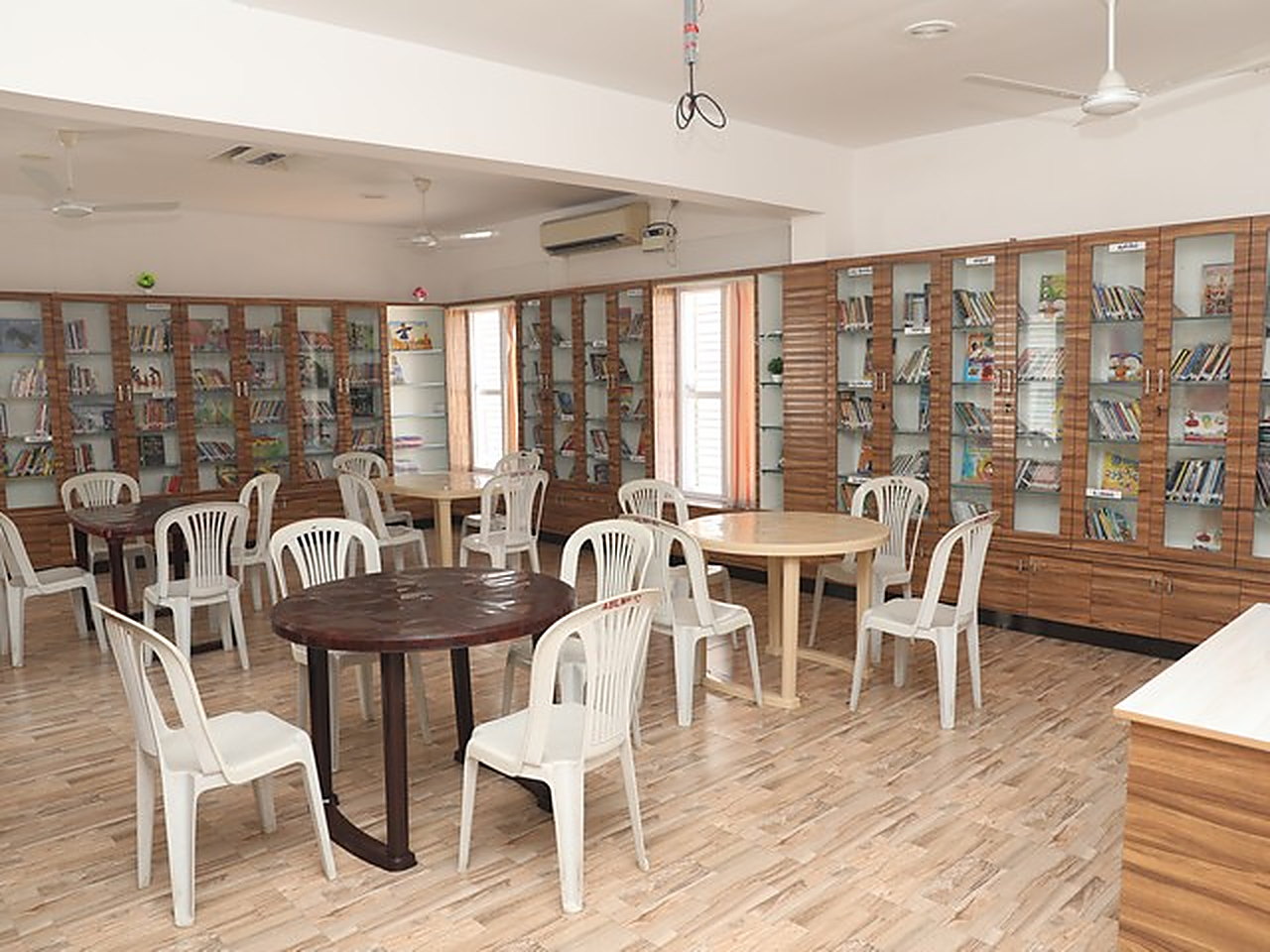
The library, lined with bookcases around reading tables
Library
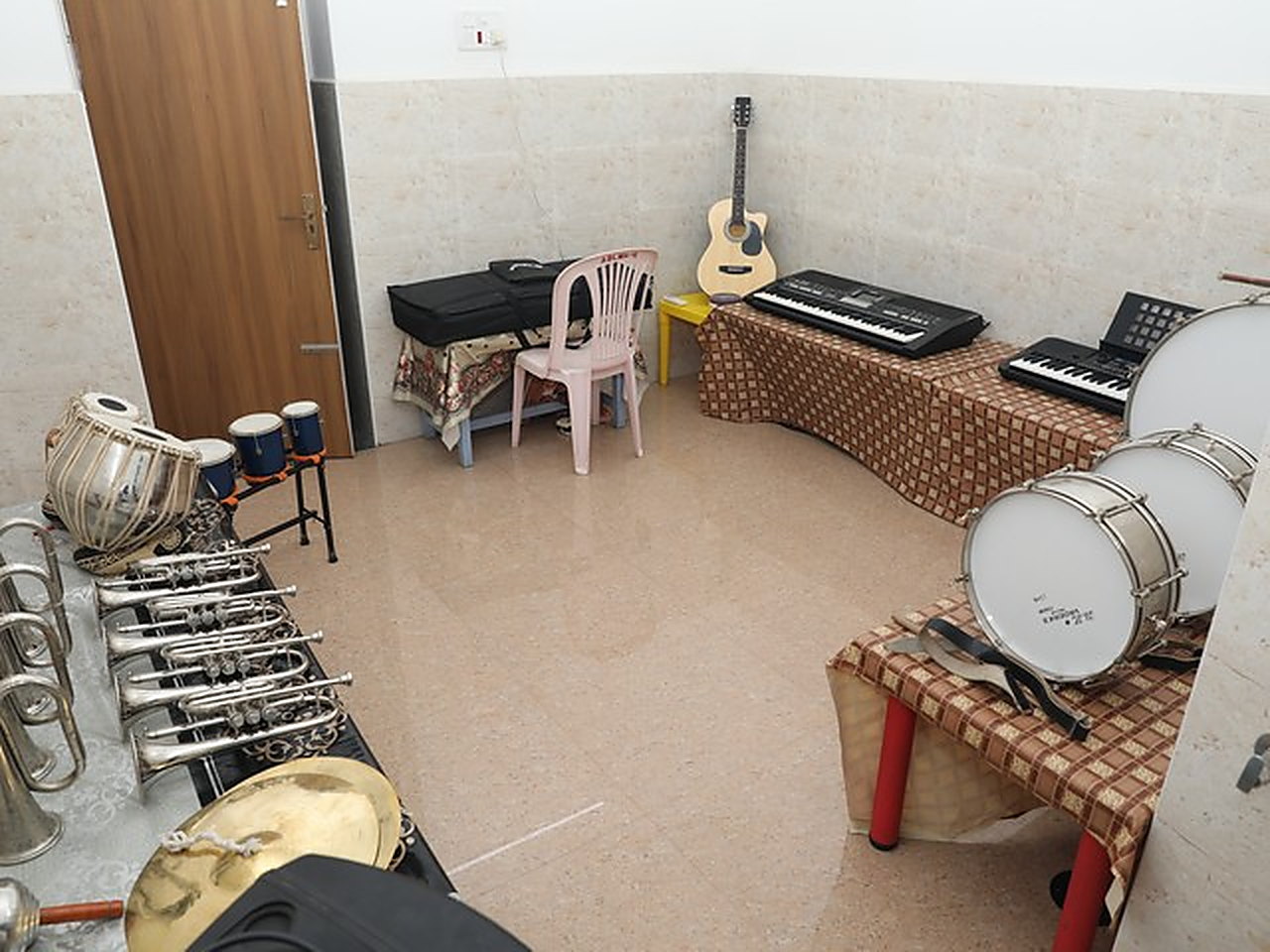
The music room, with keyboards, a guitar and drums
Music room
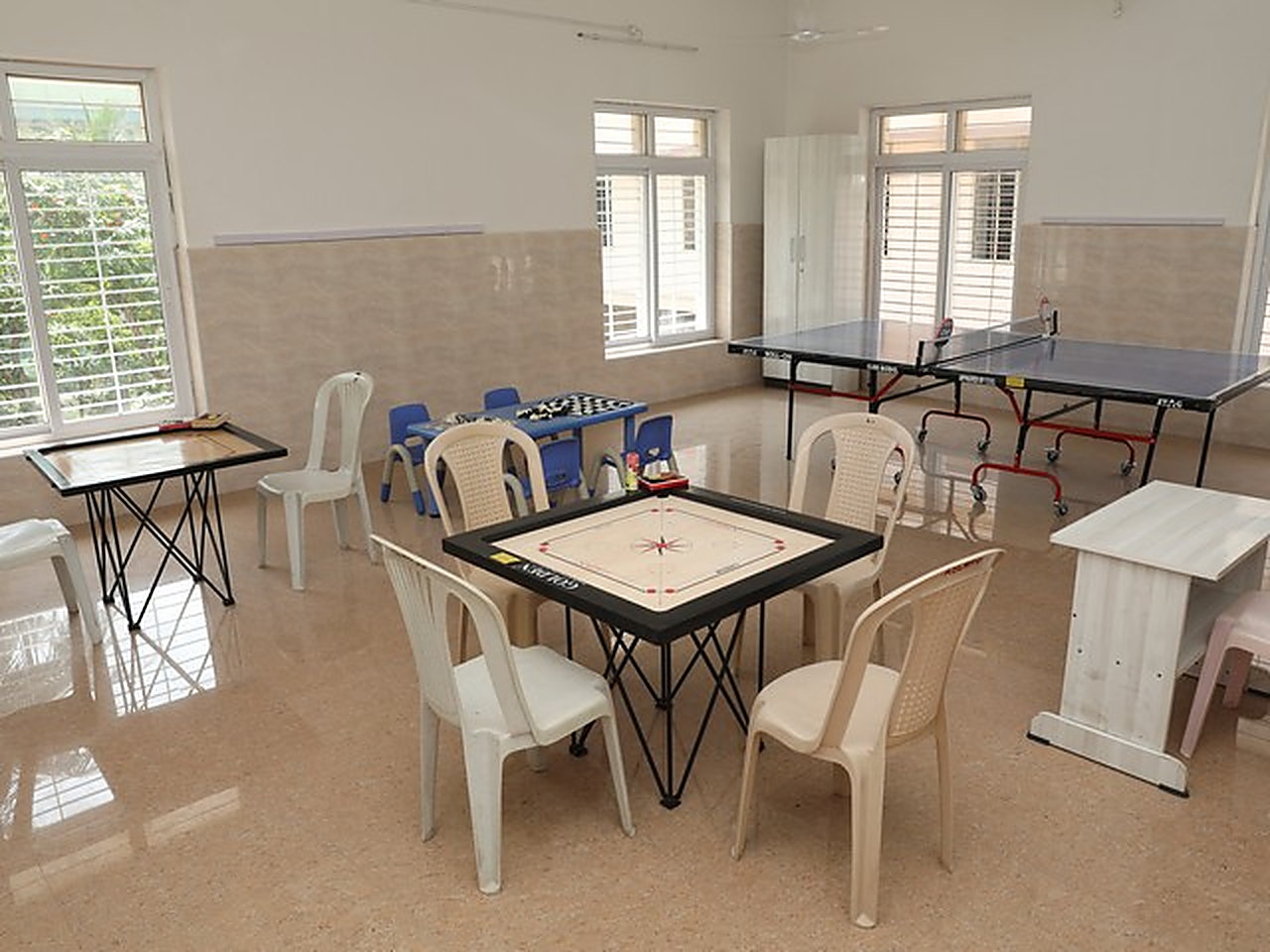
The indoor games room, with carrom, chess and table tennis
Indoor games
Let the child feel the affection you have for them; do not merely intend it. A young person who knows they are loved will let you teach them almost anything. — the Salesian tradition

From the Principal

Knowing a child by name is the whole job.

When people ask what makes a school good, they usually mean results. I understand the question, and we take exam preparation seriously here. But I have come to believe that a school is not first a machine for producing marks. It is a place where a child is either known or overlooked — and everything else follows from which of those it is.

So I ask our teachers to learn names quickly, and to learn the child behind the name more slowly: who has gone quiet this month, who arrived reading two years behind, who is carrying something heavy from home. The child who needs this school most is rarely the one at the top of the class. More often it is the one nobody has noticed yet. Finding that child, early, is the work I care about most.

I want our students to sit their exams calmly, and to do well. But an exam is a tool, not a verdict. It measures what a child could show on one morning; it does not measure their worth, their kindness, or how far they have already travelled to get here. We say that to them plainly, and often, because children believe what they are told about themselves.

If you visit, I hope you will not find a performance. I hope you will find teachers who are genuinely glad to see the children, and children who are not afraid. That, to me, is the measure of whether we are keeping faith with the tradition that founded us.

PS
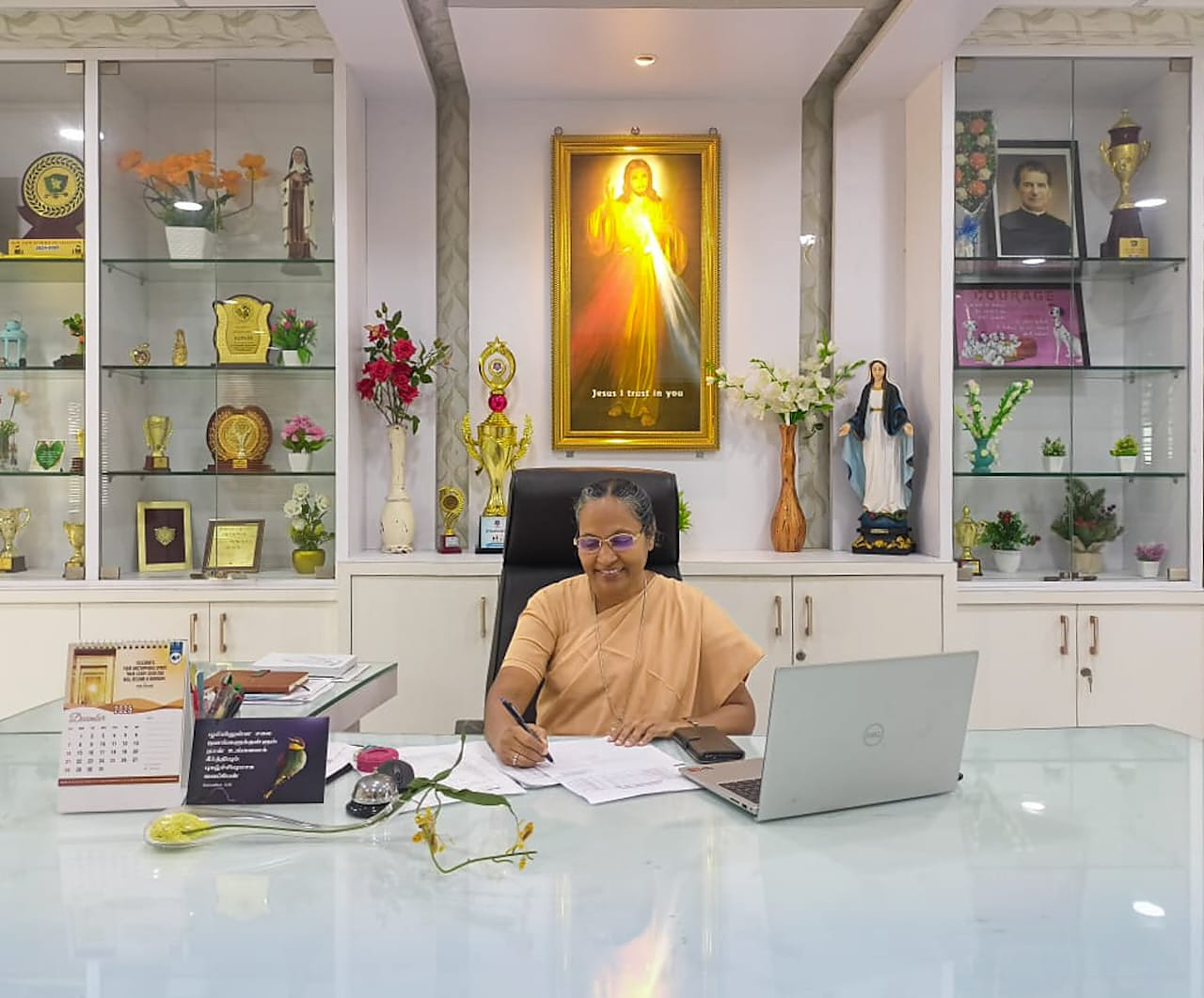
Sr. Dr. Peter Selvarani Principal, Our Lady School of Excellence
Sr. Dr. Peter Selvarani, Principal, at her desk in the school office
Principal's portrait Sr. Dr. Peter Selvarani, natural light, seated, looking to camera. Portrait, 4:5.

How it works

The Preventive System, in three parts.

Don Bosco's method is easy to summarise and hard to fake. It asks three things of the adults in a school — and it is the adults, not the children, who have to keep their side of it.

Reason

Rules are explained, not merely enforced. A child who understands why the boundary exists is far more likely to keep it than one who has only been told to. We try never to fall back on “because I said so”; if a rule cannot be explained, it is probably the wrong rule. Teaching a child the reasons behind things is also, quietly, how you teach them to reason.

Latin: ratio — the reasoned why behind every rule.

Religion

We mean an inner life and a moral compass more than a set of observances. As a Catholic school we hold to our own faith openly, but we admit children of every religion and none, and no child is ever required to worship against their conscience. What we offer to all is the same: time to reflect, a language for right and wrong, and the sense that their life has meaning beyond marks. It is offered, never imposed.

Offered, not imposed. All faiths welcome.

Loving-kindness

The Italian word is amorevolezza, and it means more than fondness. It is affection a child can actually feel — in a teacher who remembers, who stays back, who is glad to see them — rather than affection an adult merely intends. Bosco's insight was that discipline built on felt affection lasts, while discipline built on fear only teaches concealment. It is the hardest of the three to sustain, and the one everything else depends on.

Italian: amorevolezza — affection the child can feel.

By the numbers

A few markers of who we are.

2018Year founded
1:22Teacher–student ratio
14+Years of schooling
100%Teachers CBSE-trained

Figures reflect the 2026–27 academic year. Ratio calculated across Classes I–X.

Governance & affiliation

The plain facts.

Our Lady School of Excellence is a Catholic minority institution, established and managed by the Salesian Sisters of Don Bosco. We follow the CBSE pattern of education, from Kindergarten through the Secondary stage, and our teaching staff are trained to CBSE norms.

As a minority institution we admit children of all faiths and communities, and we are committed to the transparency the Board expects of us. Fees, admission procedures and grievance channels are set out plainly on the relevant pages of this site, and the office is happy to answer anything that is not.

Note for launch: the CBSE affiliation number and the full set of mandatory public-disclosure documents (affiliation letter, recognition certificate, managing-committee details, staff statement and the like) are to be inserted here before this site goes live.

Visit us

Come and see an ordinary Tuesday.

The best way to understand any school is to walk its corridors on a working day. Come as you are, ask anything, and see whether what we have written here holds true.