A child who joins us in Kindergarten leaves us in Class X, fourteen years later. We plan
that whole span as a single arc — so each stage hands the next a class that is ready, and
nothing has to be unlearned along the way. The CBSE syllabus is our framework; understanding
is our measure.
How we teach
We would rather a class understand less, and understand it truly.
The syllabus tells us the least a class should know by March. We treat that as a floor, not
a ceiling — and never as a race. When a lesson has genuinely landed, we move on early and
reach further; when it hasn't, we stop and teach it again, differently, until it holds.
That principle sounds obvious and is surprisingly rare. Most timetables punish a teacher for
slowing down, so the calendar wins and the child is left behind. Here the order is reversed.
A concept is not "done" because it was covered on Tuesday; it is done when the children can
use it on their own, explain it to a friend, and recognise it in a new disguise. Technique —
the tidy method, the exam-friendly layout — comes afterwards, once the idea underneath is
secure. A pupil who understands why long division works will remember the steps; a pupil who
only memorised the steps forgets them by June.
Practically, it means our teachers reteach without apology, set fewer questions but mark them
closely, and welcome the honest "I don't get it" as the most useful sentence in the room.
Coverage is what a syllabus asks of a teacher. Comprehension is what a child asks of a
teacher. We have decided which one to answer to.
Chalkboard momentA teacher at the board reworking a problem a second way, pupils leaning in. Landscape, 3:2.
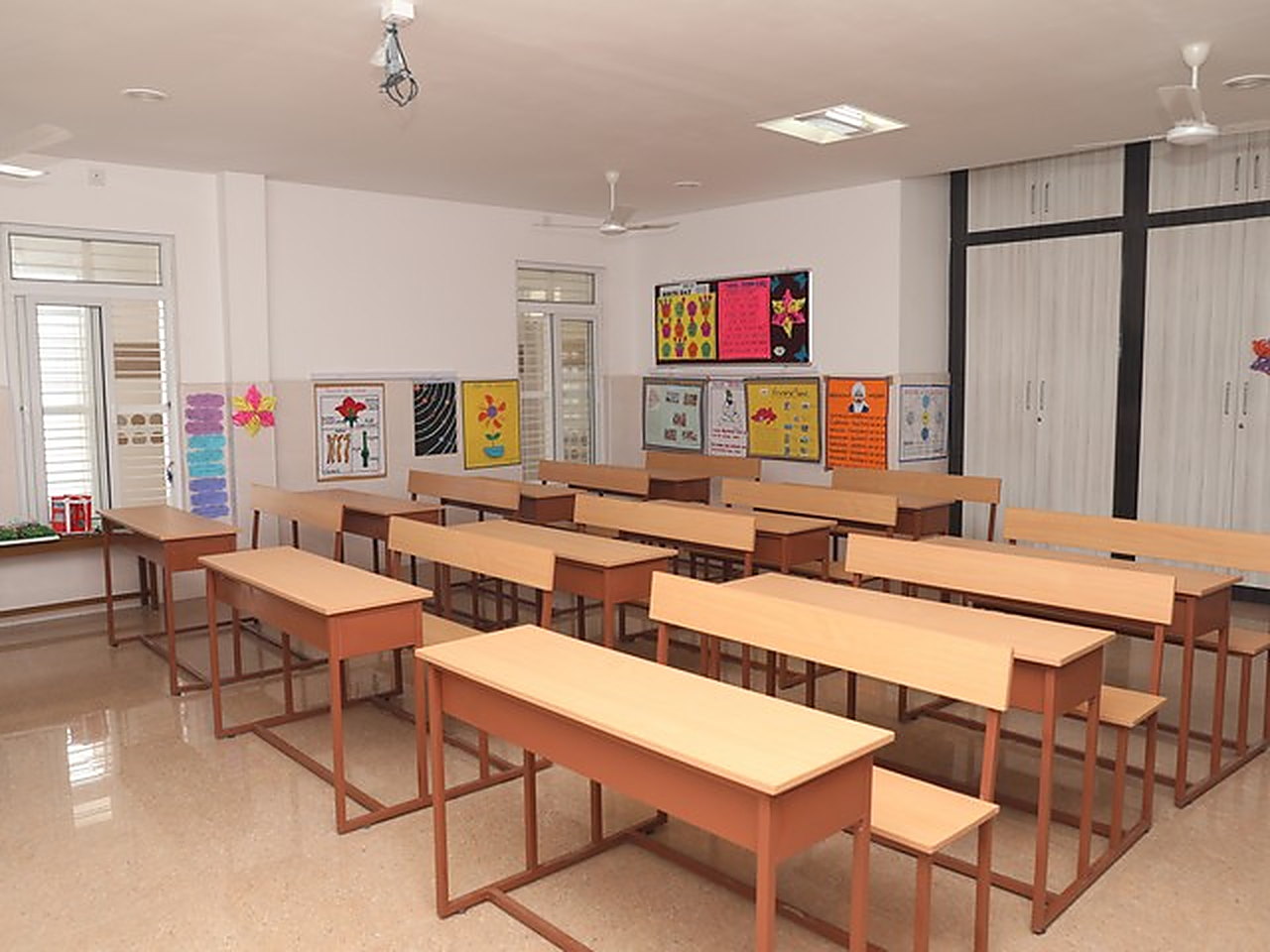
A classroom, mid-morningWhere most of the fourteen years are quietly spent.
The four stages
One arc, taught in four movements.
Each stage has its own temperament — the play of Kindergarten, the fluency of Primary, the
argument of Middle School, the composure of Secondary. Read the cards for the shape; open the
panels below for what is actually taught, how we know it is working, and what you would notice at home.
Ages 3–5
Kindergarten
Kindergarten
Play is the curriculum. Children learn to share a table, name a feeling, count a handful of beads, and love a story — the four things everything later depends on.
Play-basedPhonics
Classes I–V
Primary
Primary
Fluent reading and confident number sense, secured early. Alongside them: Tamil, art, music, and the first taste of a science question you answer yourself.
LiteracyNumeracy
Classes VI–VIII
Middle
Middle School
The years we teach students to think in systems — to hold a hypothesis, test it, and change their mind gracefully when the evidence says so.
Lab workDebate
Classes IX–X
Secondary
Secondary
Board preparation done honestly: mastery first, technique second. Students leave able to sit an exam calmly — and to explain why the answer is the answer.
CBSE BoardMentoring
The day is built from play, song and story rather than worksheets. Children learn letter sounds through phonics games, count and sort real objects, retell a picture book in their own words, and practise the quiet social work of taking turns, tidying up and asking for help. Fine motor skills — holding a crayon, threading, buttoning — are taught deliberately, because they are what writing will later stand on. There is no homework and no examination.
We measure progress by watching, not testing: a teacher keeps a simple observation record of what each child can now do that they could not a month ago. At home you would notice a child who suddenly narrates their day, sings the songs at dinner, sounds out the shampoo bottle in the bath, and separates from you at the gate a little more easily each week. Those are the milestones that matter at this age.
These are the years we secure the two skills every other subject leans on: reading with fluency and understanding, and number sense — knowing not just how to calculate but what the numbers mean. Alongside English, Tamil and Mathematics, children meet Environmental Studies, which weaves early science and social understanding around the world they can actually see, plus art, music and games. Handwriting, spelling and mental arithmetic get daily, unhurried practice.
Progress is checked through short, frequent classwork and periodic low-stakes assessments rather than one large exam, so a gap is spotted in weeks, not months. At home you would notice a child reading signboards and story-books unprompted, explaining how they worked a sum out, asking "but why" about the world, and bringing home work that is marked with a comment rather than only a tick — because we want them reading the feedback, not just the score.
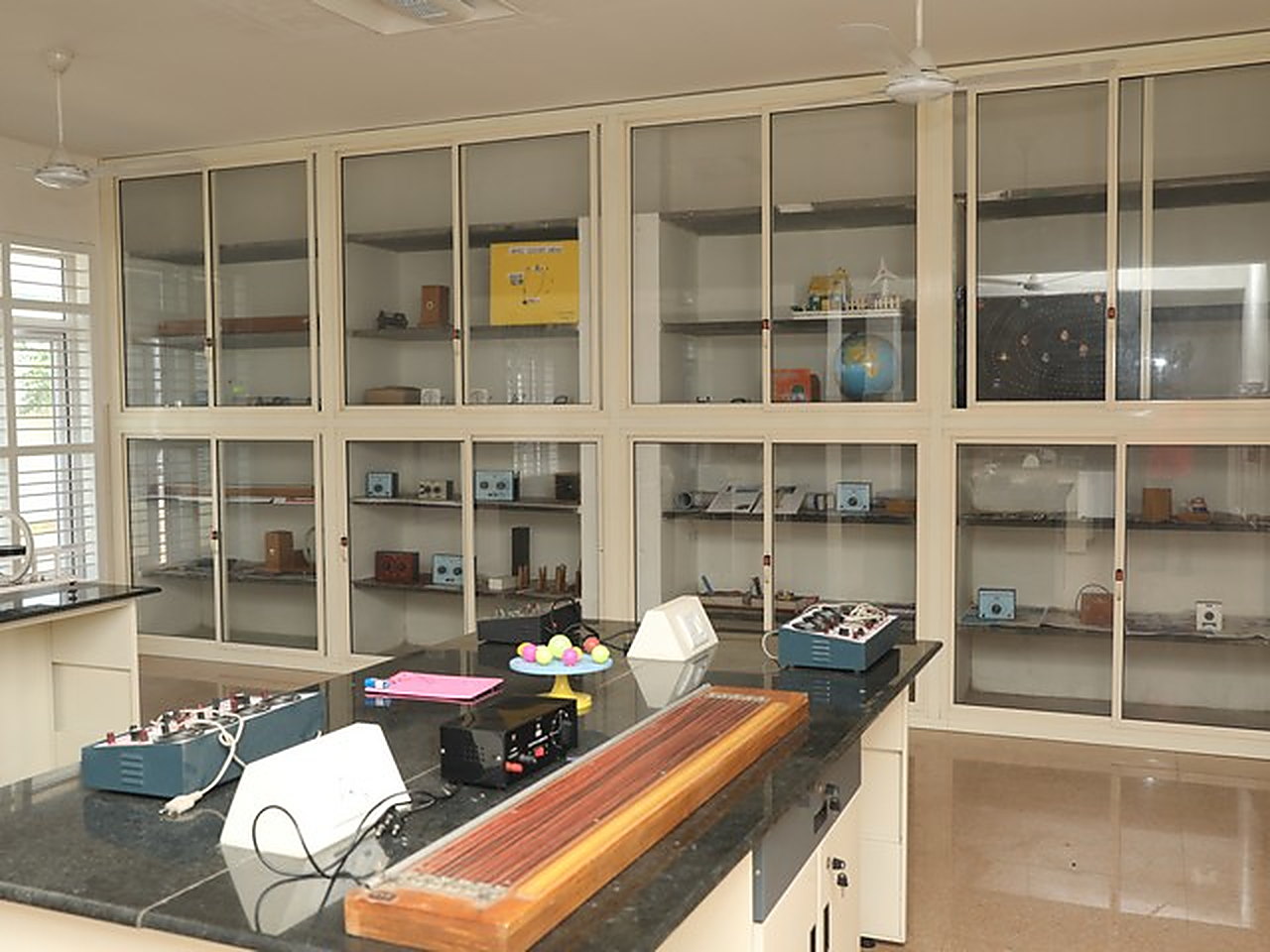
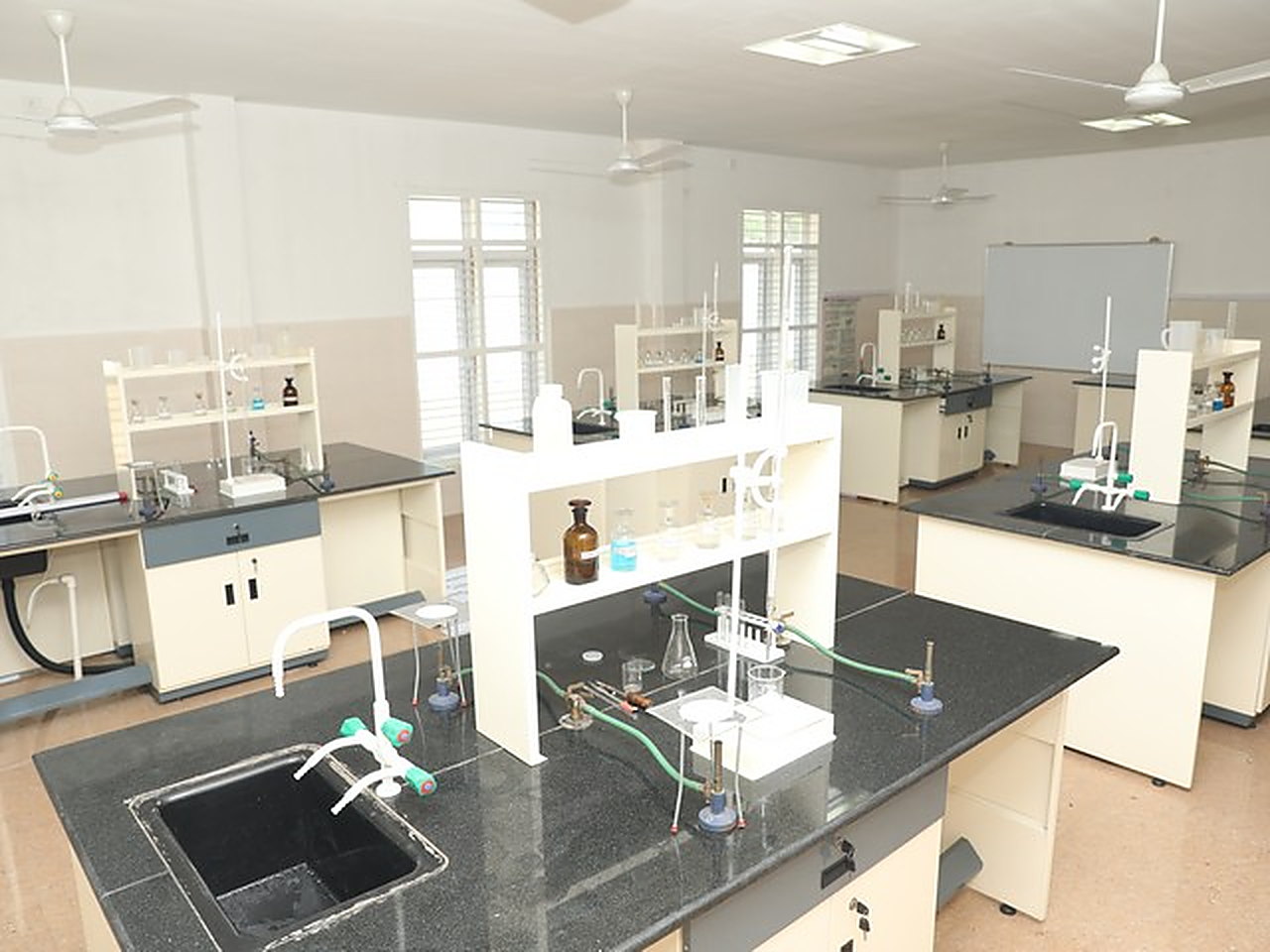
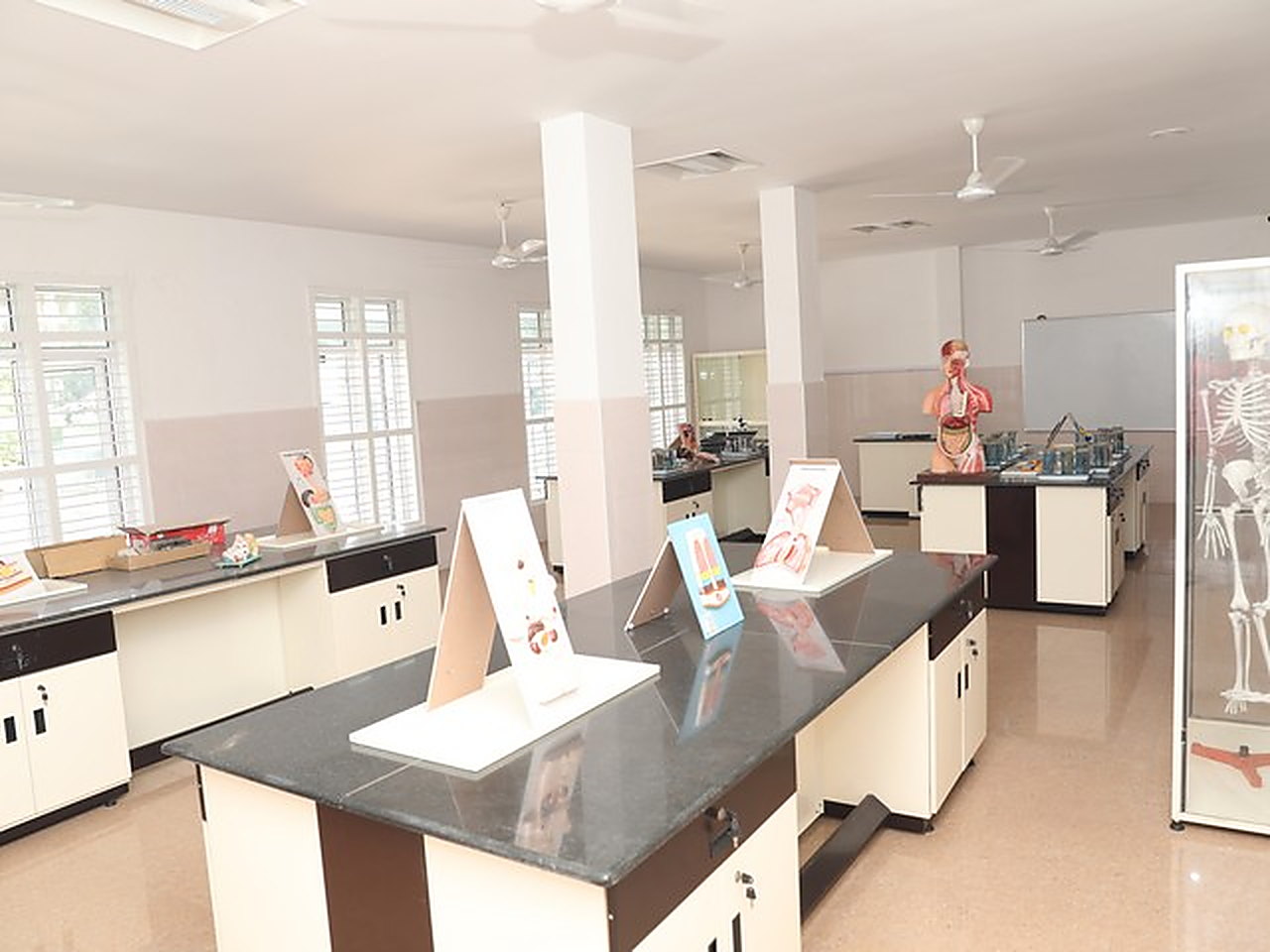
Science now separates into Physics, Chemistry and Biology and moves to the laboratory bench, where students plan a simple experiment, record what they observe and account for the difference between what they expected and what happened. Mathematics turns abstract, with algebra and geometry; Social Science draws History, Geography and Civics together; languages ask for real composition and argument. Debate and structured discussion become a regular fixture, because we want opinions that can survive a question.
We assess through practical work, projects and periodic tests that reward reasoning as much as the right answer. At home you would notice a child who argues more carefully — and, we hope, more fairly — who wants to test a claim rather than accept it, and who occasionally changes their mind and says so. That willingness to revise a view in the light of evidence is exactly what these three years are for.
These two years lead to the CBSE Class X board examination, and we prepare for it honestly: mastery first, examination technique second. Students consolidate Science, Mathematics, Social Science, English and a second language to the depth the board expects, and learn the craft of the exam itself — reading a question properly, budgeting time, showing working, presenting an answer clearly. Term examinations are run in board conditions so the real day feels familiar rather than frightening.
Progress is tracked through regular practice papers, discussed one to one with a mentor teacher who knows each student's particular weak spots. At home you would notice a teenager revising with a plan rather than in a panic, able to explain why an answer is right and not merely that it is, and — we intend — treating the board as an important test rather than a verdict on their worth.
The curriculum
What a pupil actually studies.
The subjects below follow the CBSE pattern to Class X. The mix broadens as children grow —
Environmental Studies in the early years opens out into the separate sciences, and every
stage keeps room for languages, the arts and the body.
Languages
Reading, writing and speaking with confidence — the skills the whole curriculum rests on.
EnglishTamilHindi
Mathematics
From counting beads to algebra and geometry, taught for the meaning beneath the method.
Number & arithmeticAlgebraGeometry
Sciences
Environmental Studies in the lower stages, opening into the three sciences done at the bench.
PhysicsChemistryBiologyEnvironmental Studies
Social Sciences
Where children learn to read the past and the present, and their place among both.
HistoryGeographyCivicsEconomics
Computer Science
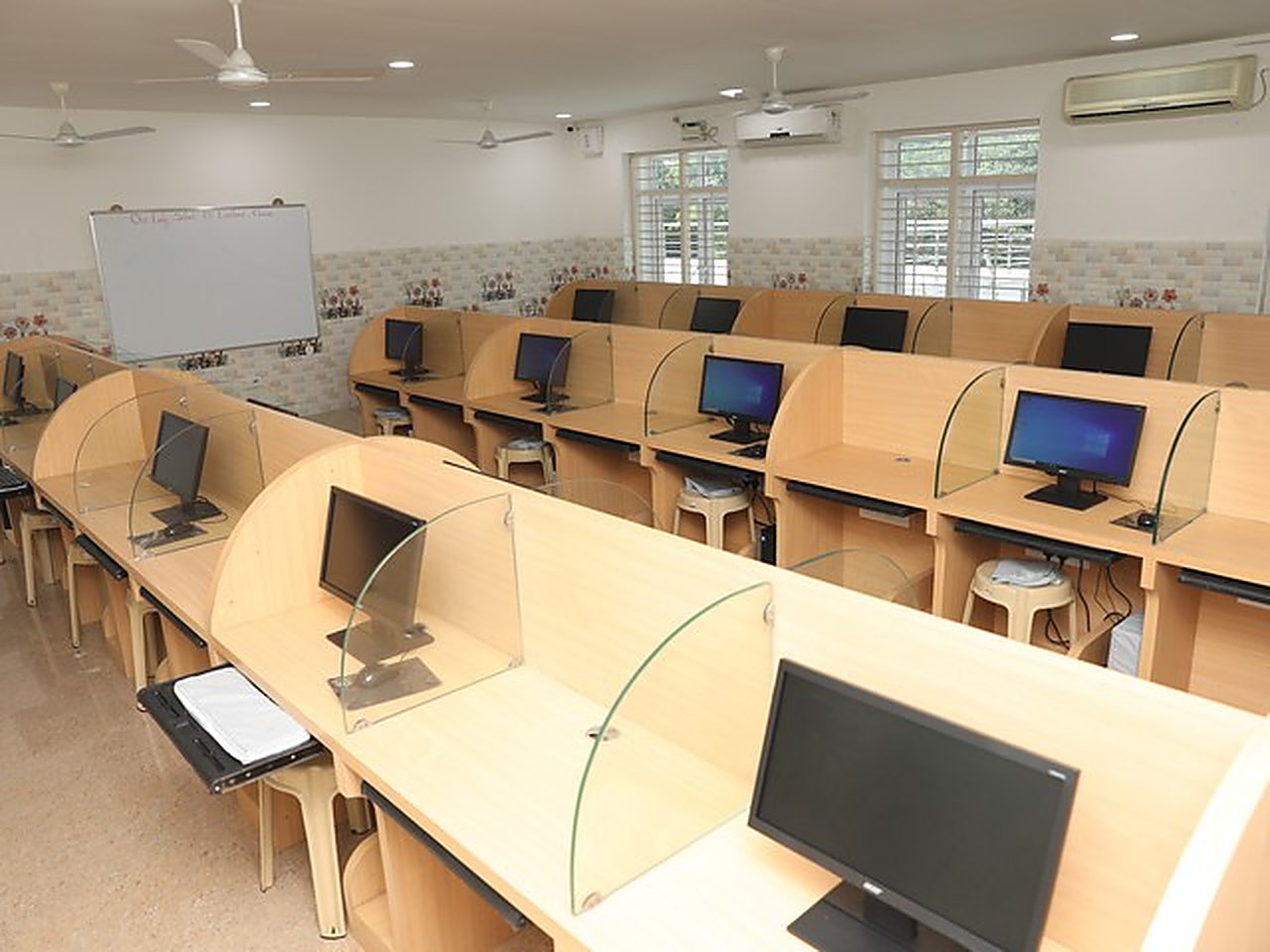
From confident, sensible use of a machine to the first real ideas of how one is instructed.
Digital literacyProgramming basics
The Arts & Physical Education
Not the trimmings of an education but part of its substance — for the hand, the ear and the body.
Assessment here runs on four levels, each with a different job. Most of it is quiet and
continuous; the loud, high-stakes kind is saved for the one occasion that genuinely needs it.
Formative
The daily, almost invisible checking a good teacher does without announcing it — a question round the room, a glance at a worked example, a quick word with the child who has gone quiet. It carries no marks and creates no anxiety; its whole purpose is to tell the teacher what to do next, that afternoon.
Continuous · daily · unmarked
Periodic
Short, low-stakes assessments across the term that confirm a topic has held before we build the next one on top of it. They are deliberately small, so a shaky result is useful information rather than a catastrophe, and so a child never spends a fortnight dreading them.
Twice a term · low-stakes
Term examinations
Fuller papers, sat under proper conditions, that let a child practise the craft of the longer exam — pacing, presentation, keeping a clear head. In the senior classes these mirror the board format closely. They are rehearsal, and reported as such: a snapshot of progress, never a verdict on the child.
Each term · board conditions
Board
The CBSE Class X examination — the one external, formal assessment of a pupil's fourteen years with us. By the time it arrives it should feel like a familiar exercise rather than a cliff edge, because everything above has quietly prepared for it. We want students to walk in composed, and to walk out knowing they showed what they know.
Class X · CBSE, external
Beyond the timetable
An education is more than its periods.
The clubs, programmes and habits below are where much of the character-forming actually
happens — chosen freely, or, in one case, expected of everyone.
Reading Programme
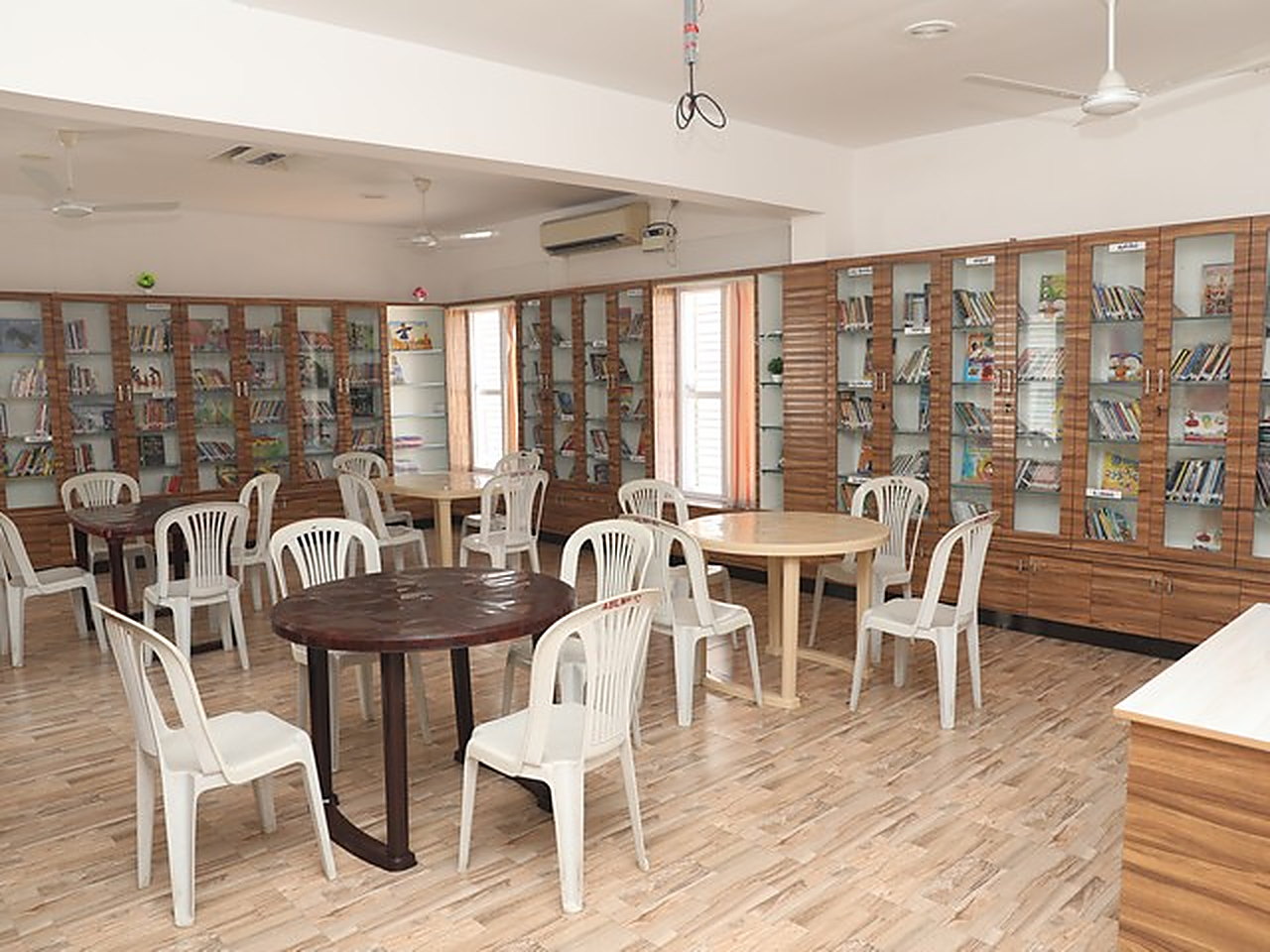
Every child has a book on the go. Silent reading is timetabled, the library lends freely, and the older classes read aloud to the youngest on Fridays — a favourite of both ends.
Science & Maths clubs
After-hours space for the curious to chase a question the syllabus never asked — a puzzle, a build, a small experiment. Last year's water filter still sits in the staff room, working.
Community Service
Compulsory from Class V upward: every student takes part in a service project each year. Compassion, we believe, is a habit built by repetition — like arithmetic, and quite as important.
Sport & Games
Daily play on the open ground, house matches through the year, and coaching for those who want to go further. Teachers are in the game, not on the sideline — the playground is where we know children best.
Music and Choir
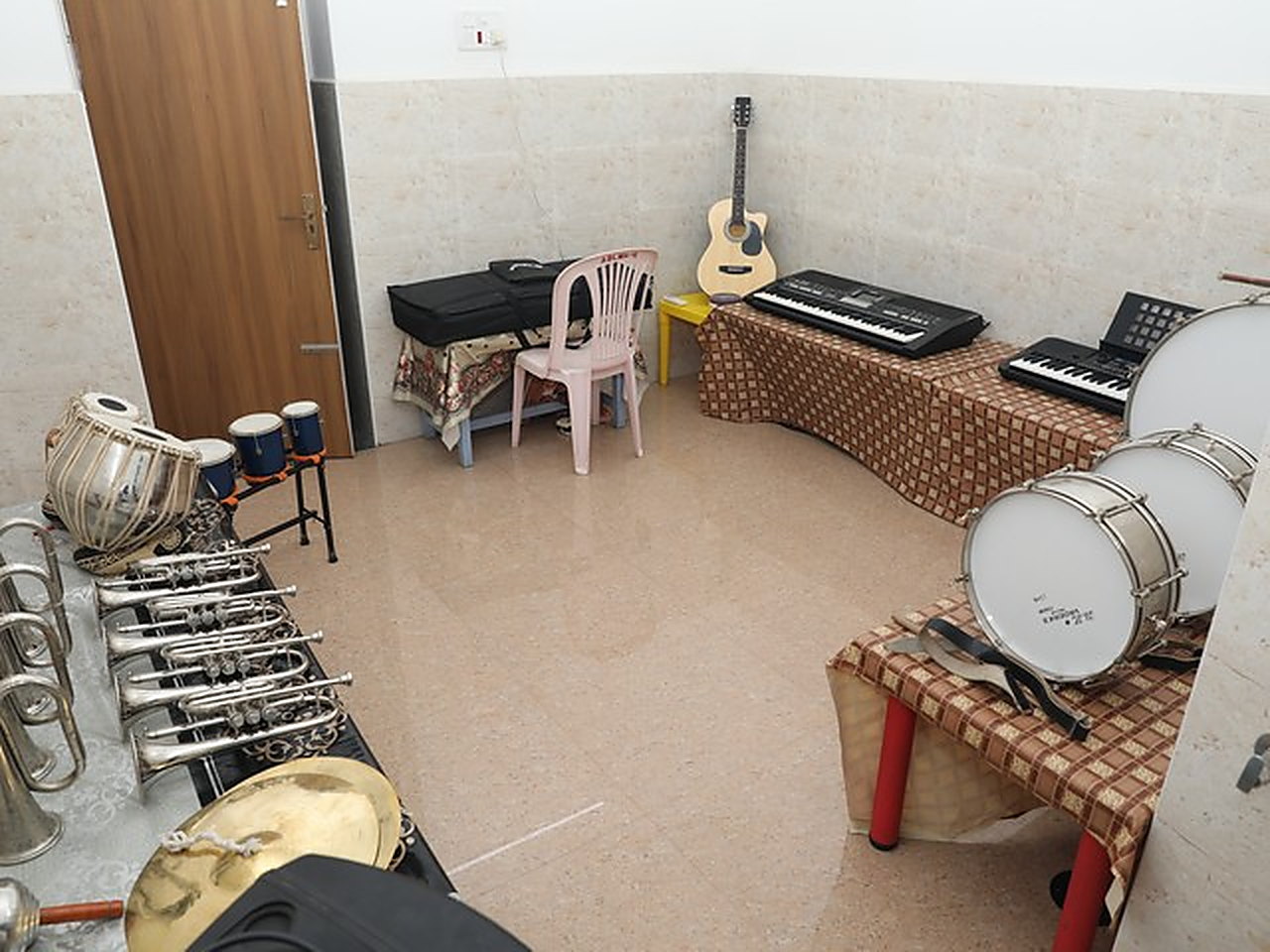
Singing at assembly, a school choir that rehearses weekly, and a first acquaintance with rhythm and melody for the younger classes. Most mornings begin, quite literally, in song.
Debate & Public Speaking
Regular from Middle School: students learn to build a case, listen to the other side, and stand up and be heard without shouting. A skill that outlasts every subject on the timetable.
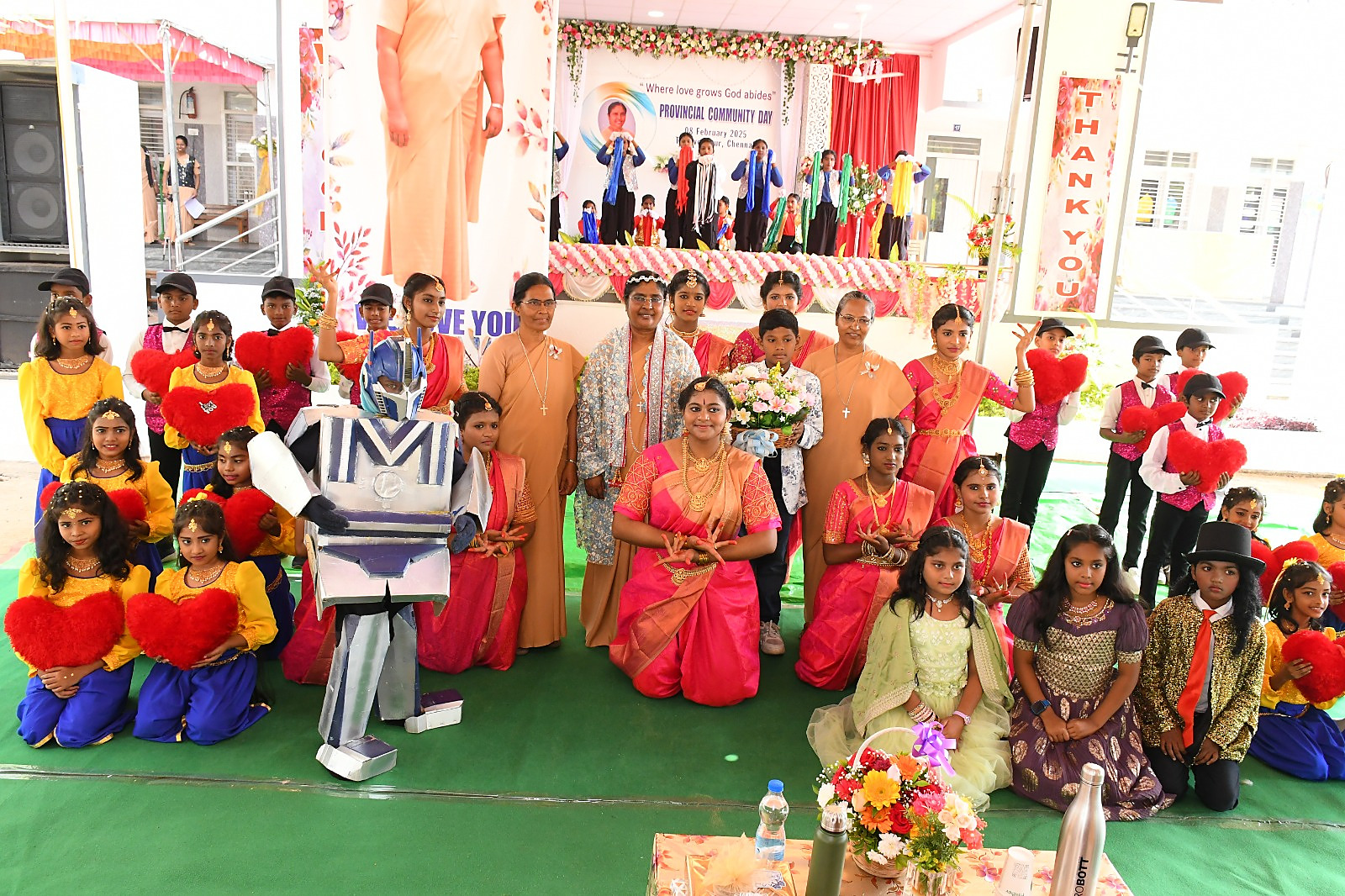
More than a timetableCostume, music, service and sport — the parts of school a syllabus never lists.
Support for every learner
The child who arrives behind is our first responsibility, not our last.
Children do not arrive matched. Some come to us reading two years ahead; some come reading
two years behind, or shaken by a move, or simply slower to warm up. None of that decides how
the story ends — and none of it is ever allowed to become a source of shame in this school.
In practice, support is quiet and specific. A child who is struggling is noticed in week two,
not at the term exam, because a class teacher is watching. Teachers stay back — in their own
time, at no charge, and without making an announcement of it — for the pupil who needs a topic
explained a third way. Remedial groups are small and unstigmatised; the aim is always to fold
a child back into the main class, not to file them into a slower one. And a child who was read
to at seven grows into the child reading to the little ones at twelve. We have watched it
happen often enough to build the whole school around expecting it.
One to oneA teacher sitting beside a single pupil after class, the room otherwise empty. Landscape, 3:2.
1:22Teacher–student ratio
100%Teachers CBSE-trained
6Subject clubs
40Minutes per period
Figures reflect the 2026–27 academic year. Ratio calculated across Classes I–X.
Admissions 2027–28
See how a lesson actually feels.
The best way to judge a school's teaching is to stand in it. Open campus tours run every Saturday at 10 am — walk the corridors, sit in on a class, and ask a teacher anything you like.