First-aid room & nurse
A dedicated first-aid room is staffed by a trained nurse on campus through the school day. Minor scrapes are dealt with on the spot; anything more, and a parent is called at once.
The campus
Our campus in Thiruvottiyur is small enough that every child can be known by name and large enough to give each subject the room it needs. Nothing here is decorative. Every space earns its place by the learning it makes possible — and you are welcome to walk through all of it on a Saturday morning.
At a glance
From Kindergarten to Class X, a child moves through these rooms in a deliberate order. Here is the whole of it in a single view.
Science
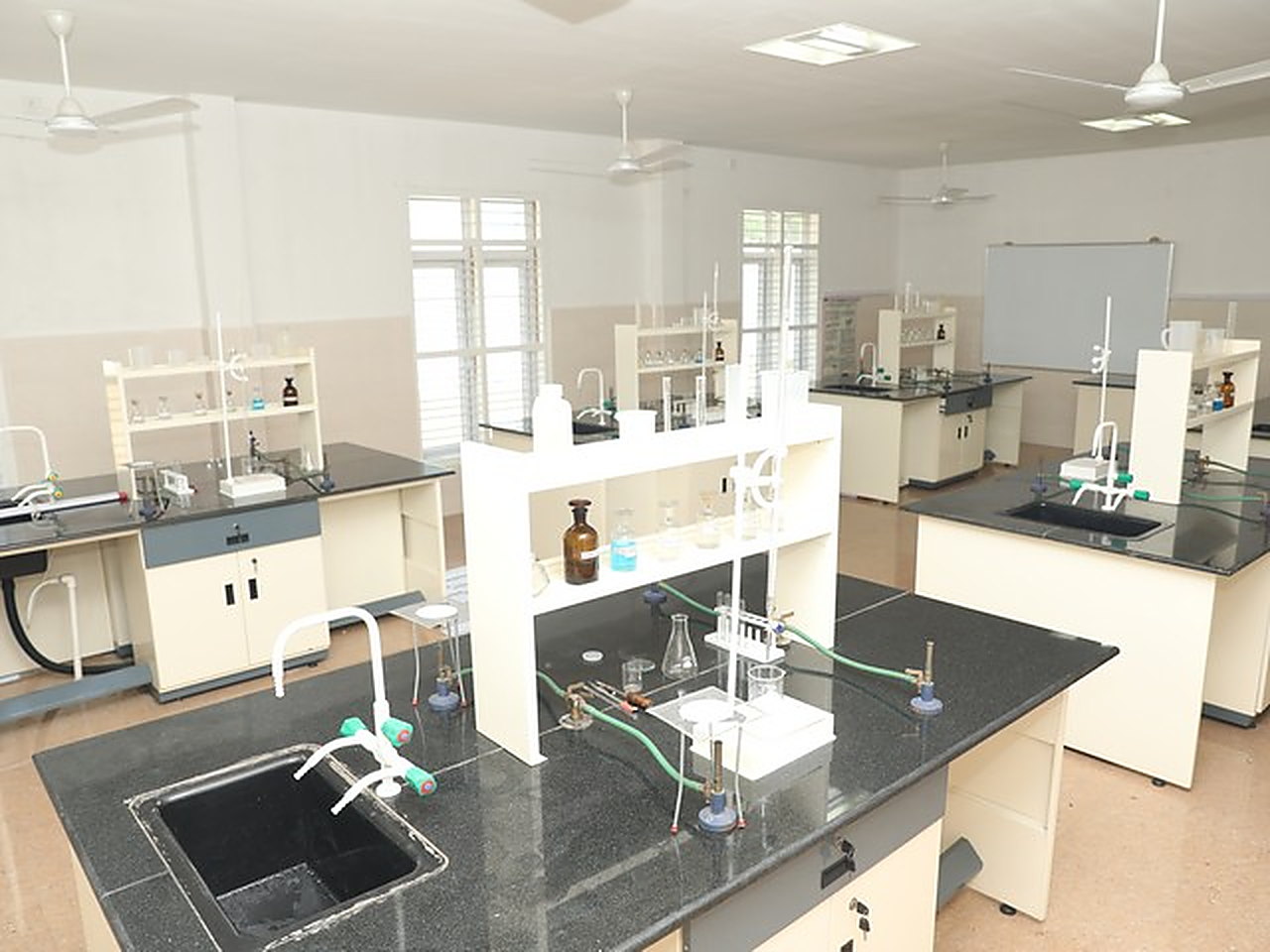
Physics, Chemistry and Biology each have their own benches, because the three sciences ask for different things — a circuit board and a metre rule, a fume outlet and a rack of reagents, a dissection tray and a microscope. Keeping them separate means a class never waits for the room to be reset from someone else's lesson.
The rule we hold to is simple: the student does the experiment. From Class VI, children measure the current themselves, titrate the solution themselves, and draw what they actually see down the microscope rather than what the textbook says they should. A teacher demonstrates once; after that the apparatus is in the children's hands.
Safety is not left to chance. Goggles and aprons are worn for every practical, chemicals are stored and dispensed by the teacher, and no group works unsupervised. Class sizes at the bench are kept small enough that an adult can see every pair of hands at once.
The library
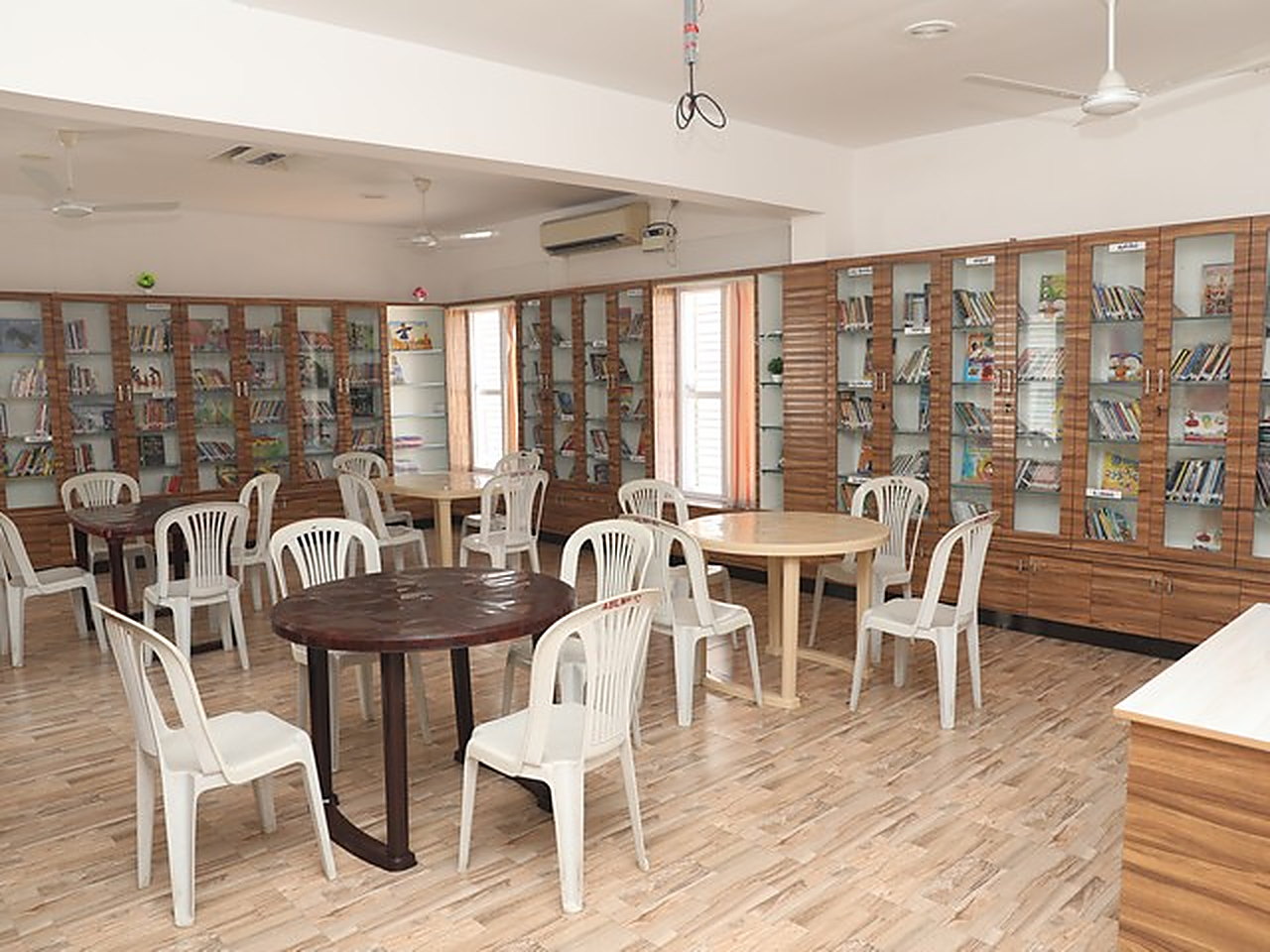
The library is the one place on campus we keep deliberately quiet. Tables face the windows, the shelves are low enough for a Class II child to reach the top row, and the reading corner has cushions rather than chairs. Quiet here is a courtesy the children extend to one another, taught early and gently.
Every class has a timetabled library period, but the reading programme runs deeper than that. Each child keeps a reading log, chooses freely within a level, and moves up when they are ready rather than when the term ends. Older students read aloud to the younger ones on Fridays — the surest way we know to turn a reluctant reader into a willing one.
Borrowing is straightforward: two books at a time, a fortnight each, renewable at the desk. There are no fines for a late return — a lost book is replaced, a late one is simply a conversation. The library opens at 7.30 am, before the first bell, for children who arrive early and would rather read than wait in the yard.
Computing
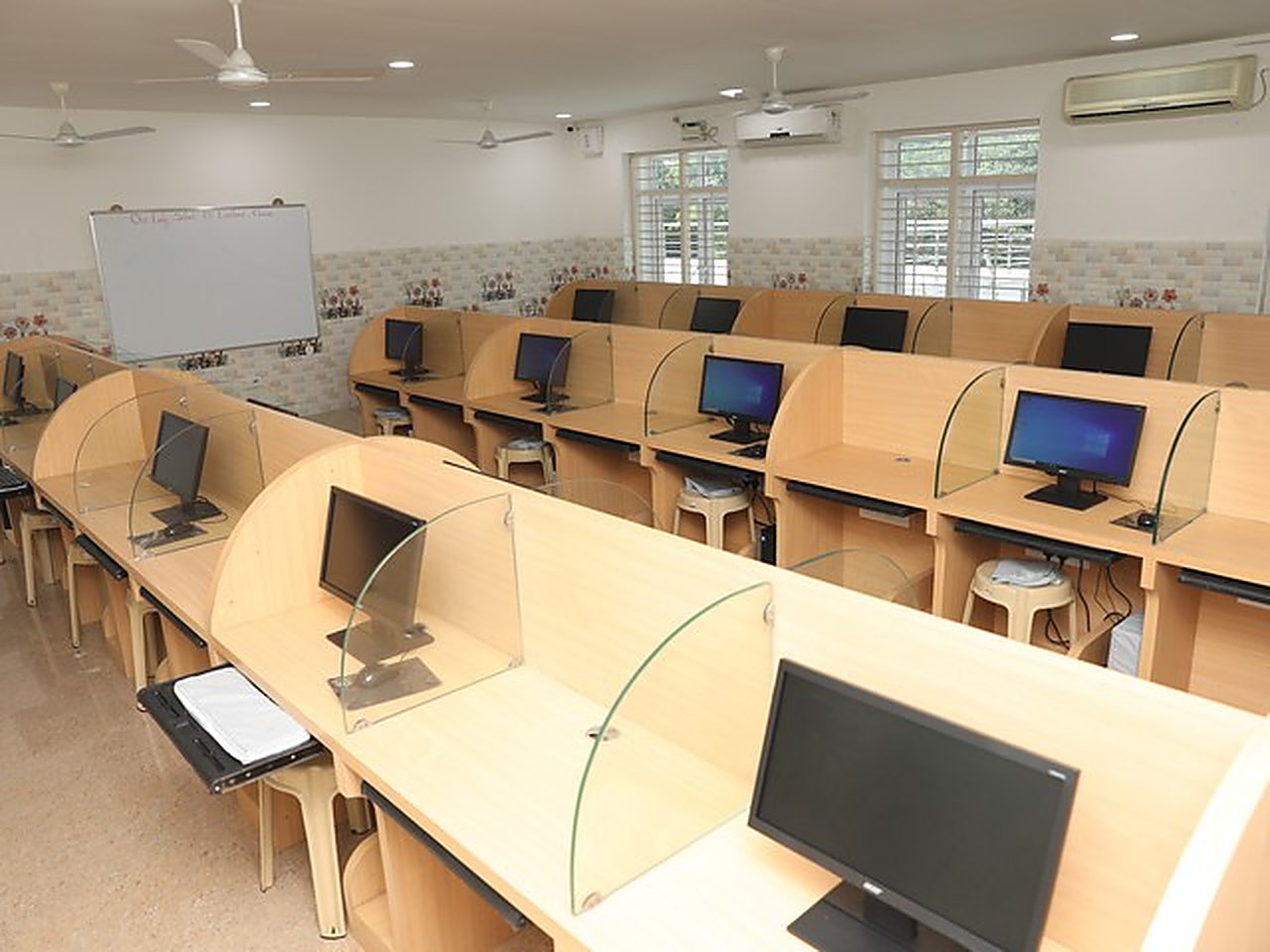
In the computer laboratory there is exactly one machine for every child in the room. Nobody takes turns, nobody watches over a shoulder, and nobody sits idle while a partner does the typing. A lesson only works if every child is doing the work themselves.
Formal computing begins in Class III. It starts with touch-typing — an unglamorous skill that pays back for the rest of a child's schooling — and moves into computational thinking: breaking a problem into steps, spotting a pattern, describing a process precisely enough that a machine can follow it. By the middle school, that becomes real programming.
We are deliberate, and sparing, about screen time. Younger children still learn to read, count and build with their hands first; the computer is a tool they pick up for a purpose and put down again, not a place they spend the day. When a lesson is better done on paper or at a bench, that is where we do it.
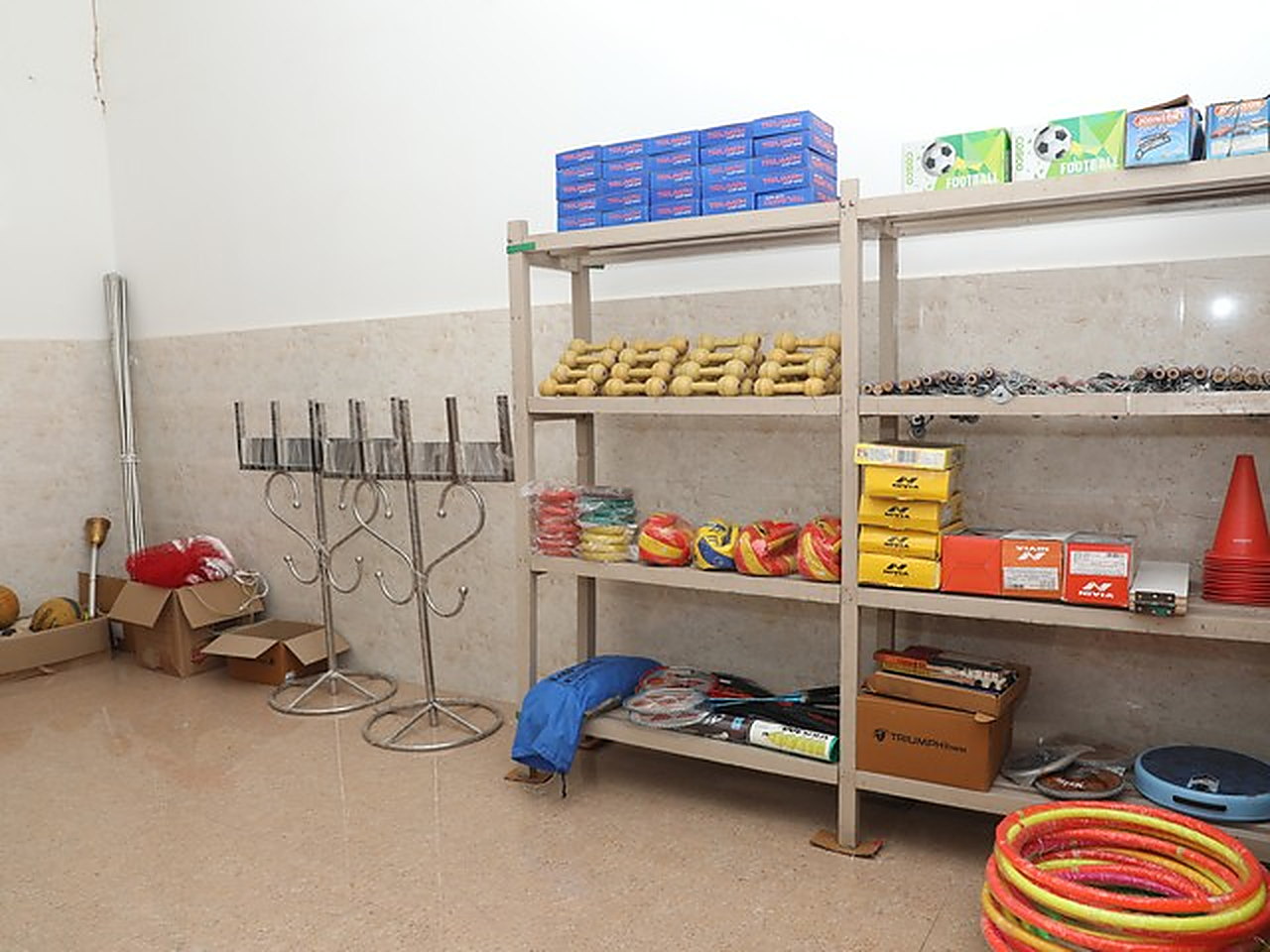
Playground & games
Don Bosco's Preventive System is easy to write on a wall and hard to practise. It comes down to one thing: adults being present with children, not managing them from a distance. The playground is where that promise is kept or broken, so it is where we watch ourselves most closely.
At break and games, teachers are in the yard — playing, refereeing, sitting with the child who did not get picked. They are not lined against the wall supervising from ten metres away. A great deal of what a school needs to notice about a child shows up here first: who is left out, who is anxious, who has stopped joining in. Being close enough to see it is the whole point.
There are two playgrounds — a smaller, softer one for the Kindergarten and early primary children, and an open ground for older students and organised games. Both are level, fenced, and in sight of a staffed doorway.
Chapel & assembly
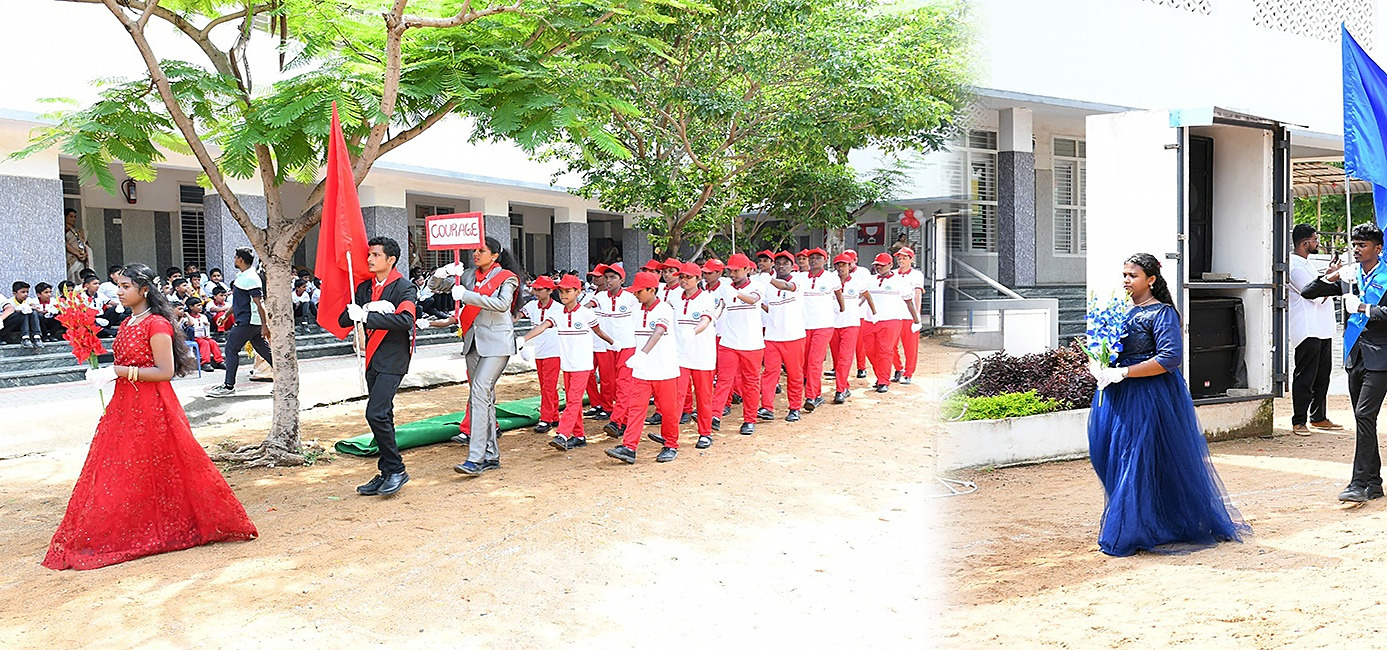
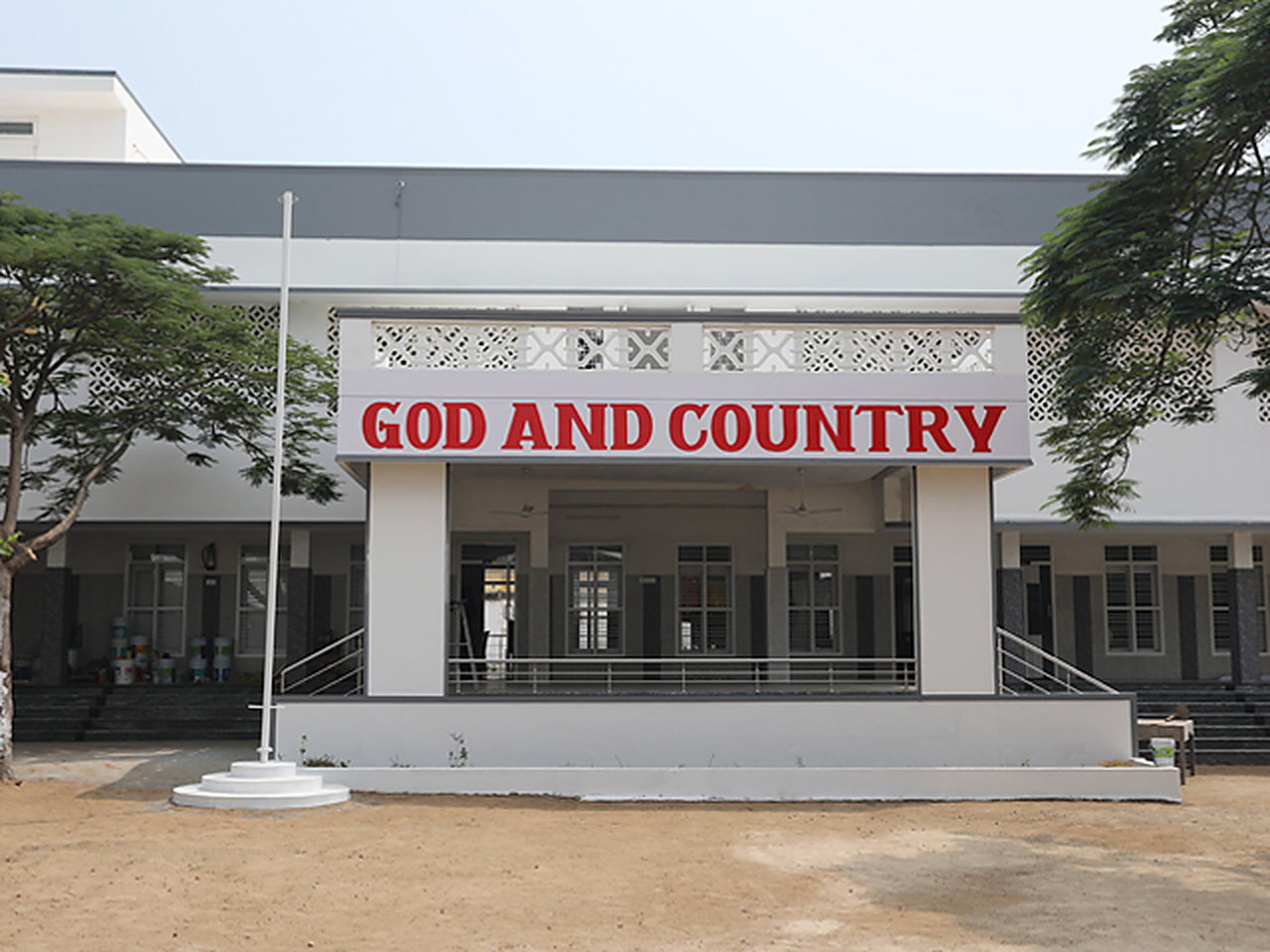
Every school day opens in the assembly hall. There is a moment of stillness, a thought for the day, the news the school needs to share, and then the children go to class. It is short by design — a settling, not a service — and it sets the tone for the hours that follow.
We are a school of the Salesian Sisters of Don Bosco, and the chapel is part of who we are. It is also open to students of every faith and none. The reflection each morning is one any child can share in, whatever they believe at home. Prayer is offered, never imposed.
To be plain about it: no child is ever required to take part in worship. Families of other traditions can be sure their children are welcome exactly as they are, and that the values we teach — honesty, kindness, service — belong to everyone in the hall.
Art, music & the choir
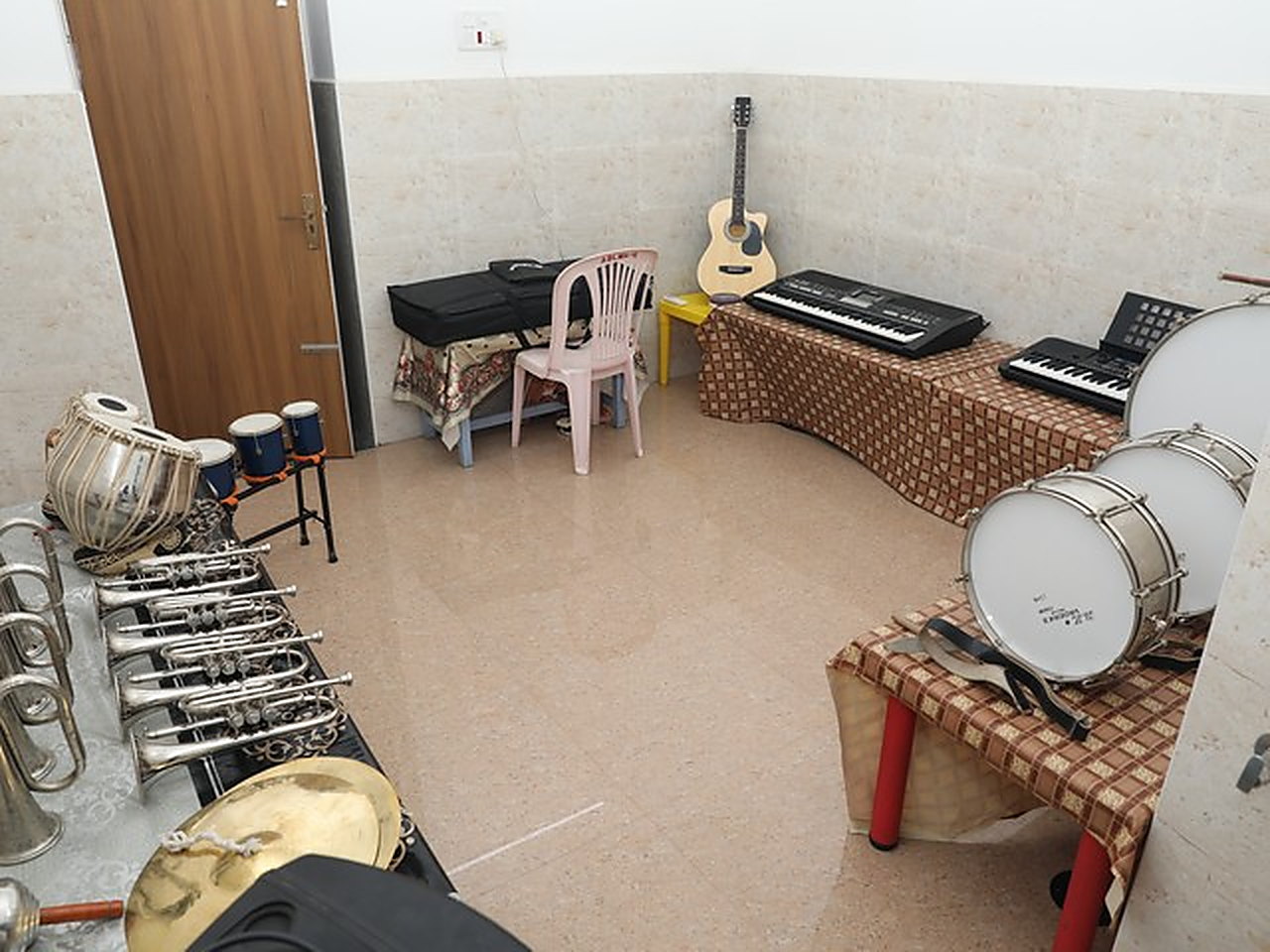
The art and music room is the messiest, happiest place on campus, and we protect its place in the week. Every child from Kindergarten upward has time here — not as a reward once the real work is done, but as part of the real work.
Art is done with the hands: paint, clay, paper, scissors and glue, and the patience to make something and remake it. Music runs from rhythm and voice in the early years to keyboard, recorder and percussion higher up, so that by the middle school a child can read a simple score and hold a part.
The choir rehearses on Friday afternoons and sings at assembly, at feast days and at the school's public occasions. It is open to any child who wants to sing — no audition, no turning anyone away — and it is often where a shy student finds their first stage.
Safety, health & wellbeing
A campus is only as good as the care taken of the children in it. These are the arrangements we can describe plainly, and that you are welcome to check on a visit.
A dedicated first-aid room is staffed by a trained nurse on campus through the school day. Minor scrapes are dealt with on the spot; anything more, and a parent is called at once.
Extinguishers are serviced and placed to plan, exits are kept clear, and the whole school practises evacuation drills each term so that every child knows their route without thinking.
Cameras cover the corridors, entrances and common areas. To say it plainly: there are no cameras in classrooms, and there never will be. Footage is retained securely and access is limited.
Everyone who works with children — teachers, assistants, drivers and attendants alike — is verified before they start. It is a condition of joining, not an afterthought.
A counsellor is available to students by name, not by rumour. A child struggling — with friendships, with home, with the work — has a known adult to go to, in confidence.
Our safeguarding rules are written down, known to staff, and reviewed — so that expectations are the same for everyone, and a concern always has a clear route to follow.
Getting here
For families who need it, the school runs buses across the neighbourhoods around Thiruvottiyur. Routes are planned around where children actually live, and reviewed each year as that changes.
To be clear from the start: which routes run, and how far they reach, changes from one academic year to the next. The figures below describe the general area we cover — the office confirms the exact route, stop and timing for your address when you apply.
Routes generally cover Thiruvottiyur, Ennore, Manali, Tondiarpet and the neighbourhoods adjacent to them. Coverage is not fixed — it is set each year around where that year's children live, so please treat this as the broad picture rather than a guarantee for your street.
Every bus carries a trained attendant in addition to the driver, so that no child is unaccompanied between the stop and the school gate. Drivers and attendants are background-verified like all our staff, and buses are fitted with GPS so the office can see where each one is.
Ask the office at the time of admission, or any time after. Give them your home address and they will tell you whether a route covers it for the coming year, where the nearest stop is, and the fee. Because availability is confirmed year by year, it is worth asking early.
Figures reflect the 2026–27 academic year; please confirm current details with the office.
Come and see it
Photographs can only do so much. The best way to judge a campus is to walk it on an ordinary day — hear the playground, look into a lab mid-lesson, ask a teacher anything you like. Open tours run every Saturday at 10 am during term. No appointment is needed, and nobody will ask you for a deposit.
Our Lady School of Excellence · No. 955, TH Road, Thiruvottiyur, Chennai 600 019 · 044 2599 1795